Regenerating faith in the quality of food
The Grassroots Garden is a CSA (Community Supported Agriculture) project that 45-year-old Daniel Sargison started six years ago in Radnor, near Redruth, providing weekly boxes of vegetables to the community. Daniel describes this as “a farm shop in a bag delivered to the door”.
He started growing crops, such as fruit trees, over a decade ago. He then began looking into getting land for Grassroots Garden, wanting to create a project that would provide a “direct relationship between the food, the producer and the consumer, so people know exactly where their food is coming from”.
The garden has received funding from, among others, The National Lottery Community Fund and Cornwall Neighbourhoods for Change.
Grassroots Garden is committed to growing produce in a healthy environment, using no chemical pesticides or fertilisers that can be toxic to humans.
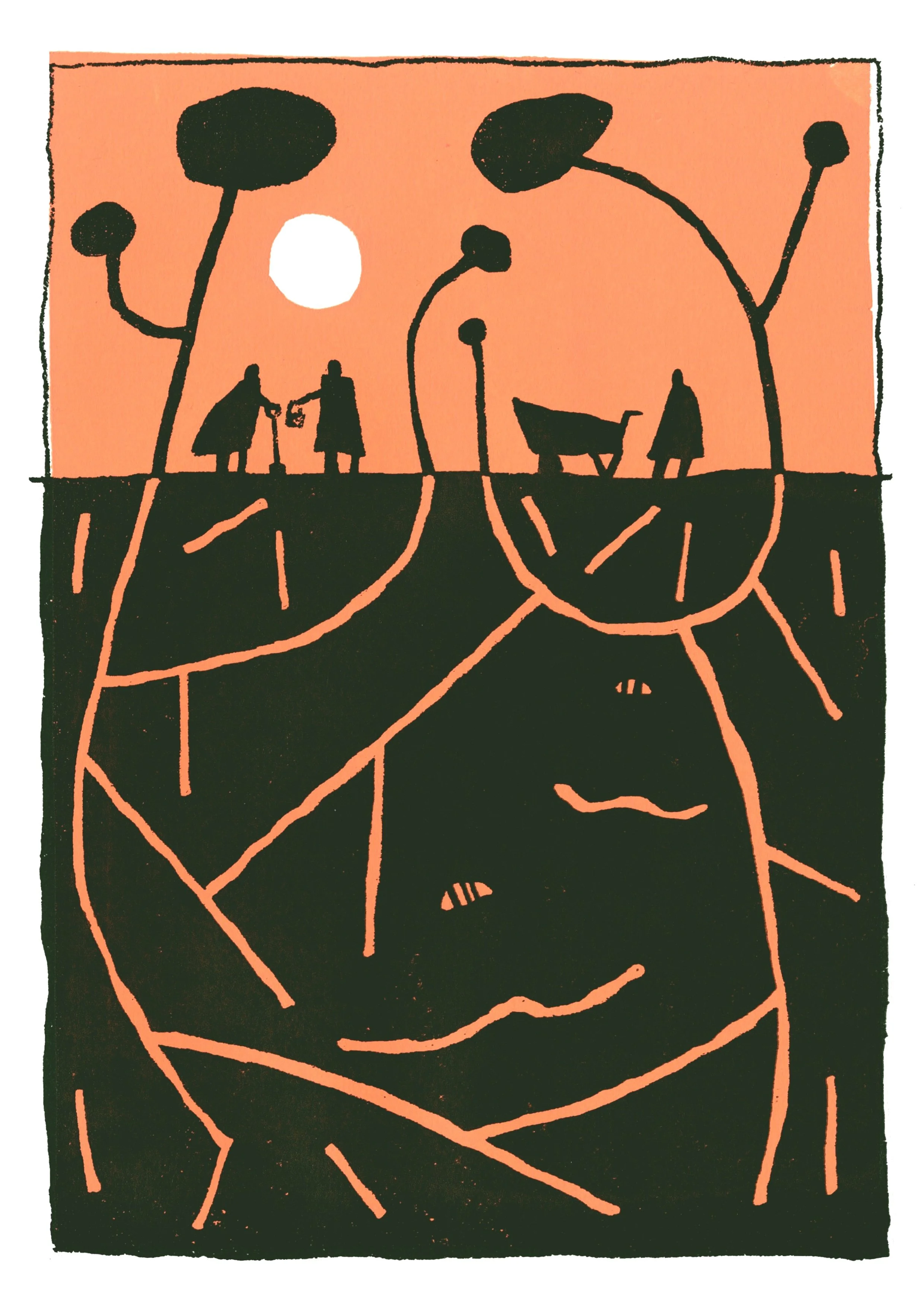
Their methods of agriculture aim to “regenerate the soil”, says Daniel. This involves certain practices to ensure that soil is not depleted.
Daniel first began exploring regenerative agriculture using the “no-dig” method, planting seeds into a layer of compost on top of untilled soil. Minimal tillage benefits soil life greatly, ensuring microbes, worms and fungi are left undisturbed, which helps create more topsoil.
This minimal soil disturbance also helps lock carbon into soil, reducing emissions. A 2022 report by the Sustainable Markets Initiative Agribusiness Task Force found that if 40 per cent of the world’s farmland used these regenerative techniques, 600 million tons of carbon emissions could be saved.
Dan has also experimented with under-planting crops with ‘green manures’. Green manure consists of crops such as clover being turned into mulch, which are planted in the soil to provide nutrition for the next crop.
According to Regenerative Farmland UK, there is at least 121,000 acres of regenerative farmland across Britain. However, Daniel claims that some farmers are still able to use chemicals on crops and class themselves as regenerative: “On a large-scale farm, you could still have a regenerative farmer that’s growing hundreds of acres of corn and spraying it at times. But as long as they’re using cover crops instead of chemical fertilisers, then they can class themselves as regenerative.”
Larger farms classing themselves as regenerative in this way is controversial, as they still use chemicals that can harm soil and produce. Daniel believes that if farming is both regenerative and organic, it creates “more nutritious ecosystems, that help to feed the soil and plants”.
Regenerative agriculture’s aim to enhance both soil health and biodiversity helps to increase food security. Daniel argues that the corporate food system cares about profits, importing food from across the globe, as opposed to supporting local British farms, like Grassroots Garden.
Daniel says: “If consumers continue to keep buying produce from foreign farms, British farms will not exist in 20 years. Many of them are going under already.”
The supermarket system also has a lack of standards when it comes to importing food, some argue. PAN UK (Pesticides Action Network) used government data released last winter to identify a handful of fruits and vegetables that cause a “cocktail effect” due to residue from numerous pesticides, and put people at higher risk of serious diseases. Inadequate regulations on chemicals in food mean that consumers do not know that they are “consuming food that is constantly loaded with poisons”, says Daniel.
The risk to soil health from the current food system is also increasing. Daniel says that a lot of soils are being washed away by chemical nutrition. Furthermore, these chemicals kill the microbes in the soil, even if their goal is to kill just pests.
Chemicals are used to enhance crop growth, as well as to protect crops from pests and diseases. However, Daniel believes moving the agricultural industry away from chemical use is important to ensure a secure food system.
“The chemicals of agriculture came about after World War I and World War II. World War I brought pesticides and chemical weapons, whilst World War II brought nitrate fertilisers. It wasn’t that long ago where we didn’t have these chemicals and farmers were able to use what was available.”
Grassroots Garden is working to show the community what a secure food system looks like. Every week, they hold community volunteer days, where people come in and help on the farm, learning how they grow their food. When volunteers see how Grassroots Garden works, regenerative agriculture seems like a “no-brainer,” he says.
“As soon as you’ve grown food without chemicals and heavy machinery, you understand the need to regenerate the soil.”
Customers can choose to pay for a season of boxes up front, or pay per week. All the produce is grown in Redruth. If you want to get involved as a volunteer, you can attend a volunteer day at the farm on Thursdays, 10am-4pm.
ILLUSTRATIONS FOR ABOVE BY MERYN GRIFFITHS