In the footsteps of the lovesick giant
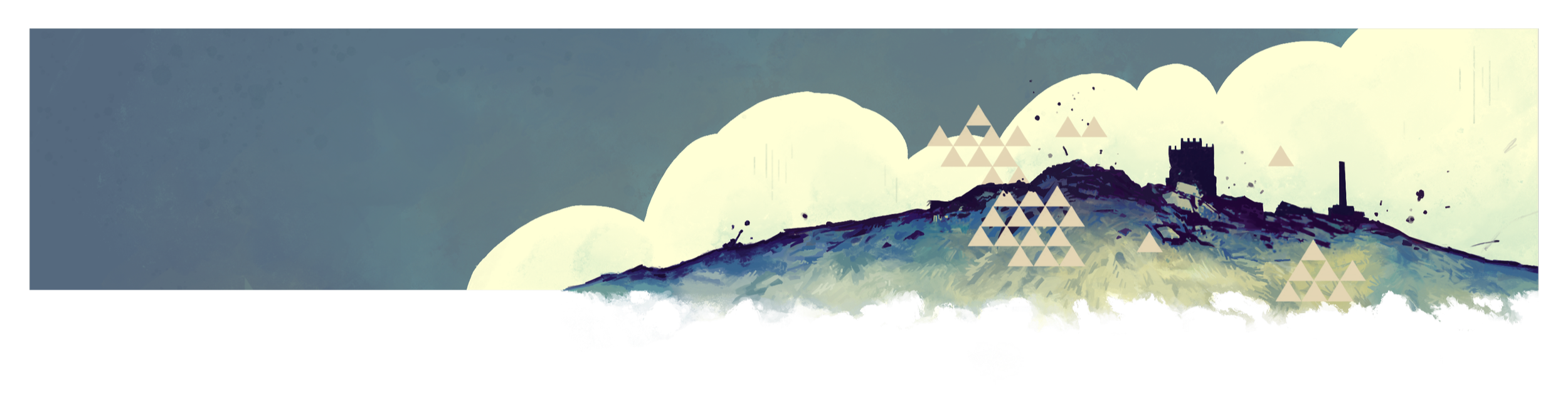
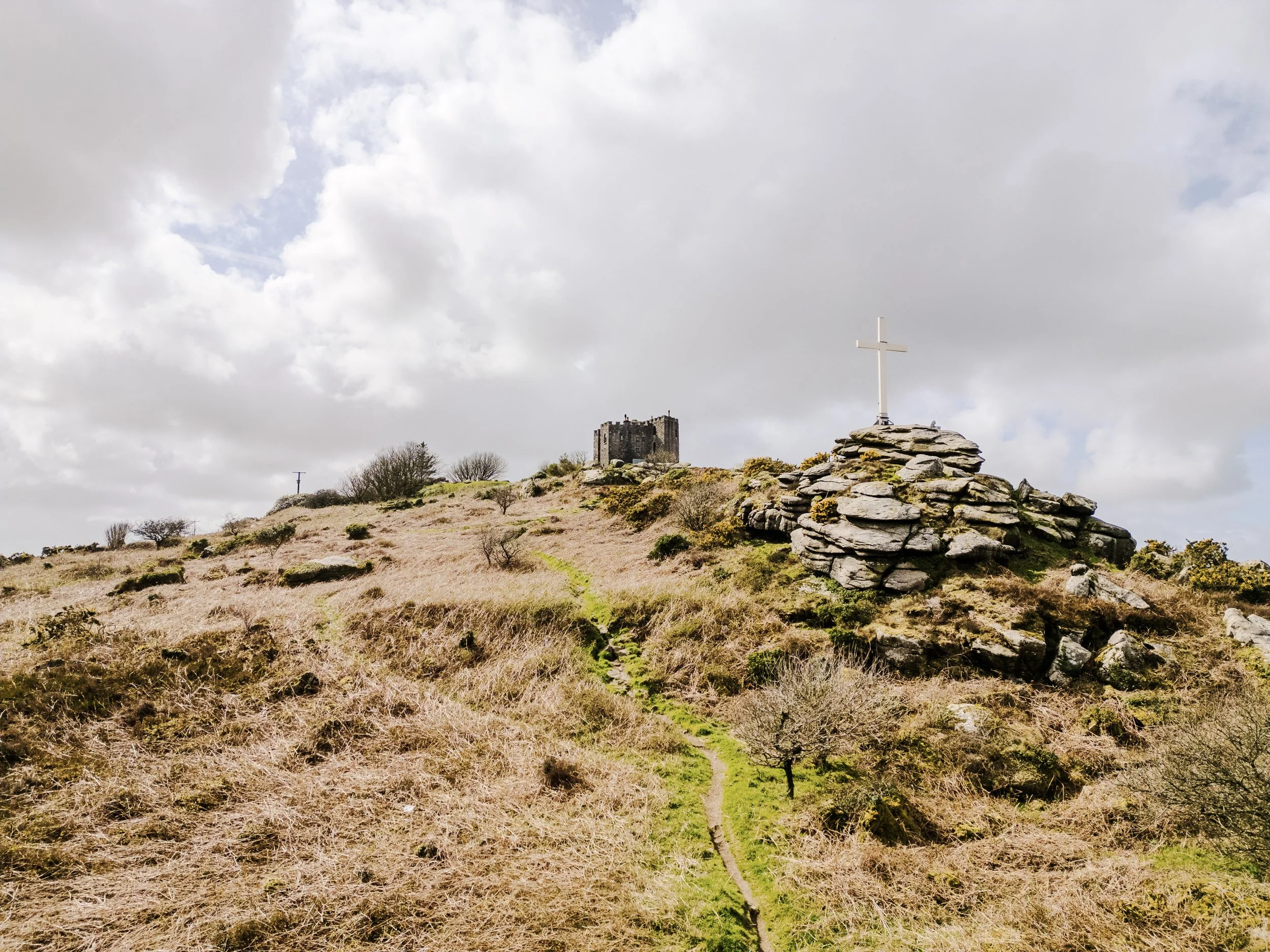
Carn Brea towers 750 feet above sea level, an iconic landmark watching over the town of Redruth. The hill not only overlooks the former mining centre of the world, but also the parish of Camborne and part of Cornwall’s west coast.The panoramic views of the Cornish landscape encapsulate the county’s identity of mining, fishing and rolling fields of green.
Cornwall is known for its deep-rooted and spectacular folklore that continues to be intertwined with the county’s culture today. The history of this site is far from dull, infused with an abundance of myths it has inspired and settlements it has homed.
Elizabeth Dale, Falmouth local and Cornish history enthusiast, writes about the numerous legends that are tied to Carn Brea hill and castle as part of her blog, The Cornish Bird.
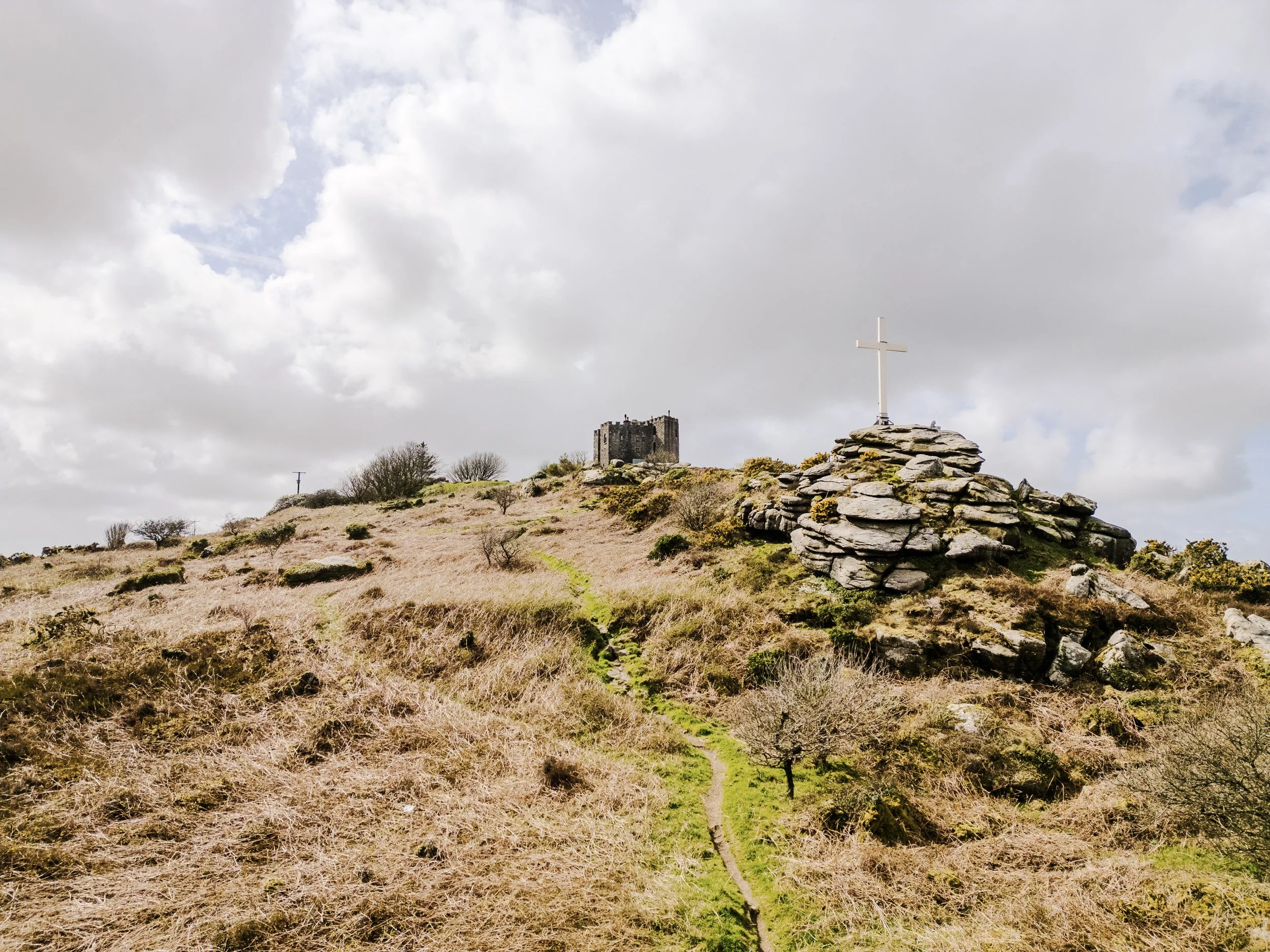
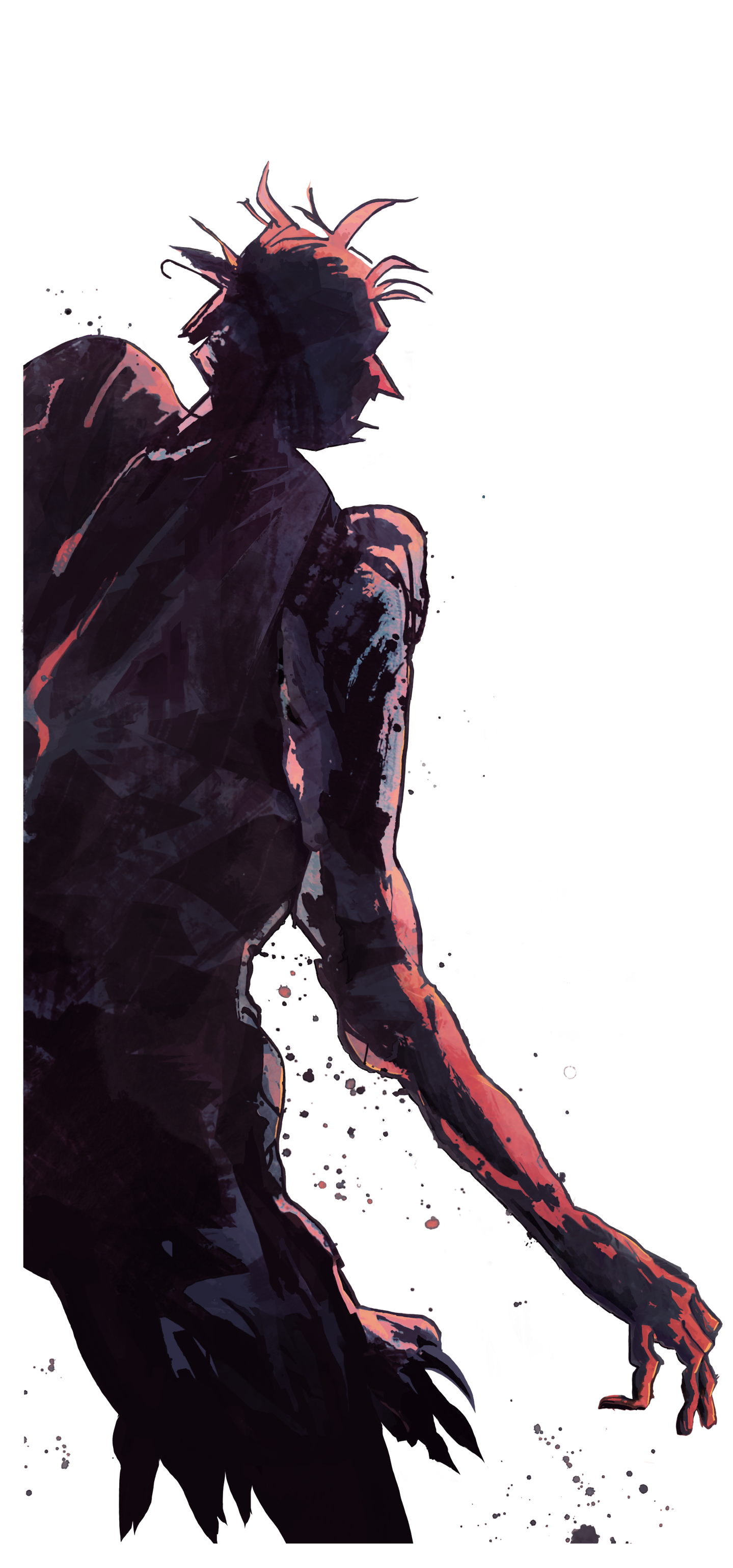
The rock formations on the hill and beneath the castle are hard to miss and are said to have been the seat of a giant named Bolster. According to Cornish mythology, Bolster was tough and hot-tempered and fell in love with the beautiful St Agnes who refused his attention. In a bid to rid herself of the giant, St Agnes ordered him to prove himself to win her affection by filling a hole in the land with his own blood.
Unbeknownst to Bolster, the hole had an opening at the bottom which flowed out to sea, ultimately draining the giant until he lay down to die on Carn Brea hill. The rocks dotted around the hill are rumoured to be the giant’s body which turned to stone after his death.
Today, the unique boulders still bear the traces of this great legend in their names: The Giant’s Coffin, The Giant’s Head and Hand, The Giant’s Wheel and The Giant’s Cradle.
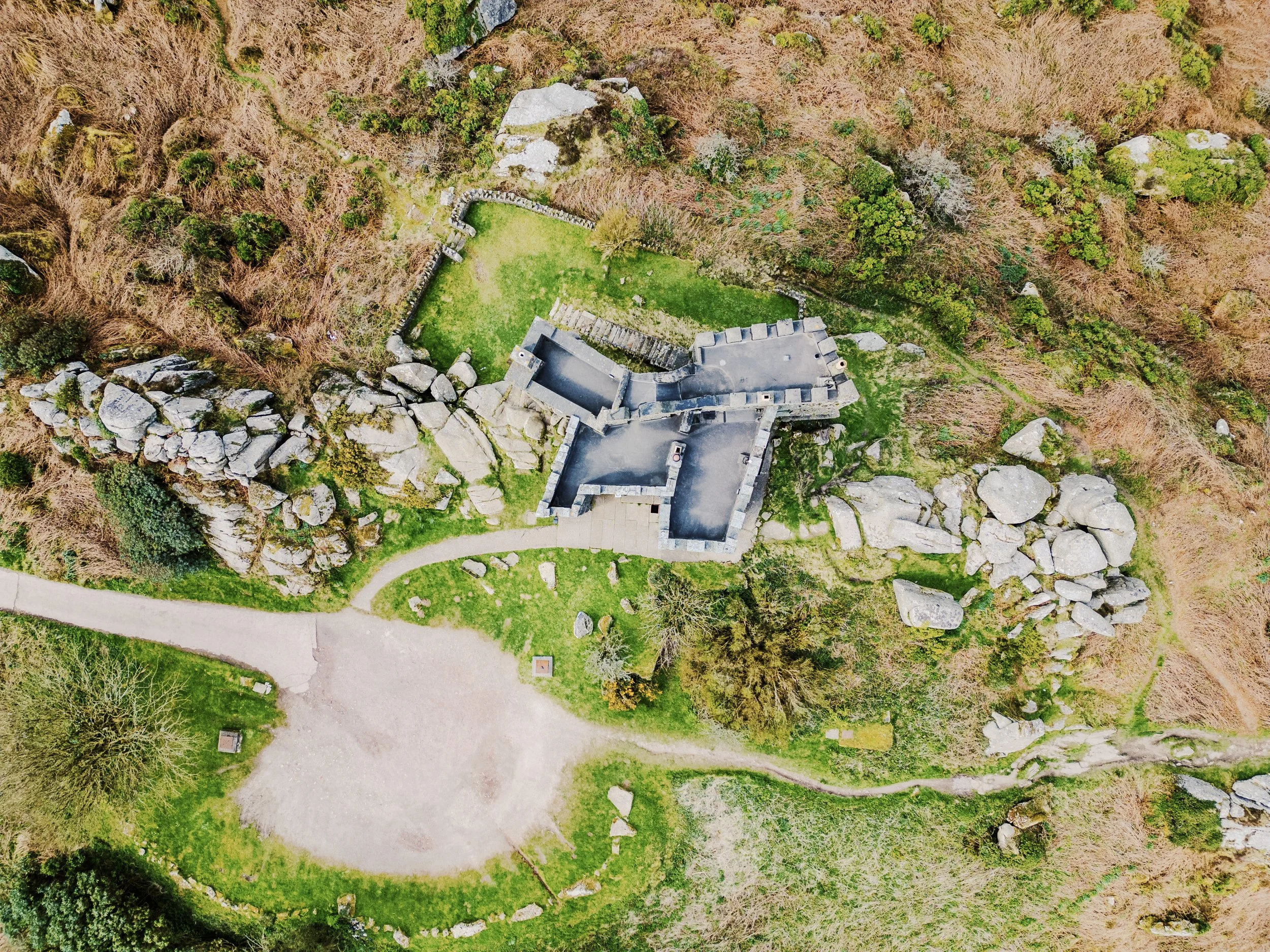
A castle was built on top of the Giant’s Seat around 1379 AD as a chapel to St Michael. For over 500 years, it belonged to the Basset family, a wealthy dynasty that owned some of the “richest mining land in Cornwall” who are now immortalised by the granite obelisk that stands tall on the other side of the hill.
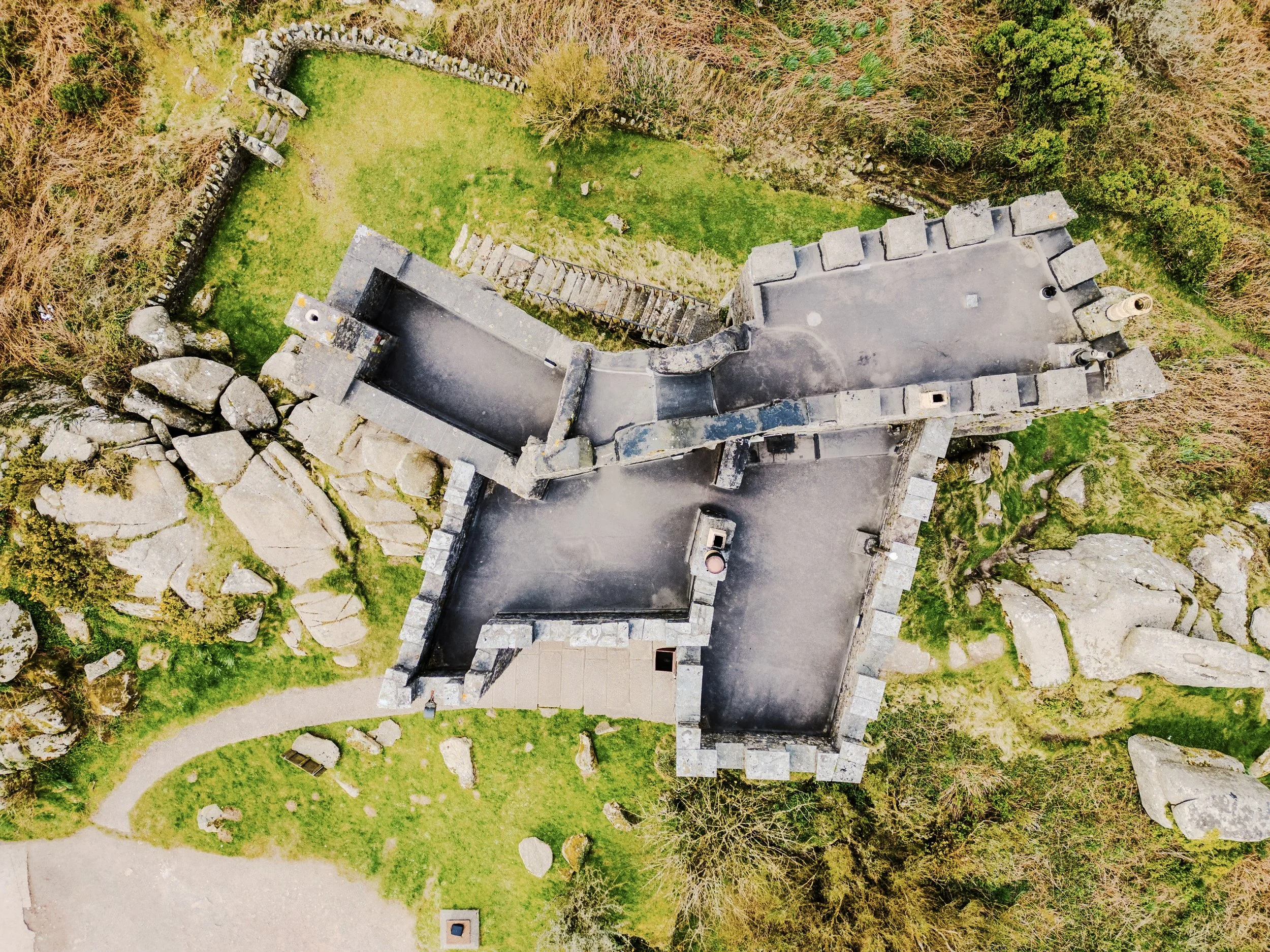
In 1790, the Basset family converted the chapel into a castle folly used as a lodge for hunting and feasting. It also served as a beacon for ships off the coast.
Before the Bassets, the human settlements on Carn Brea go way back to the early Neolithic period, with remnants of stone walls still evident on the edge of the hill. Hundreds of arrowheads have been discovered there.
In 1970, the castle was repurposed and converted into a restaurant and home. Although the castle and its interior look drastically different nowadays, it’s believed that some features of the original 14th-century building remain intact.
It’s now inhabited by the Sawalha family who run the beautifully atmospheric restaurant serving Middle Eastern cuisine, adding more life and another chapter to Carn Brea’s vibrant story.
By Eleanor Tank
ILLUSTRATIONS: CHRIS PLUNKETT
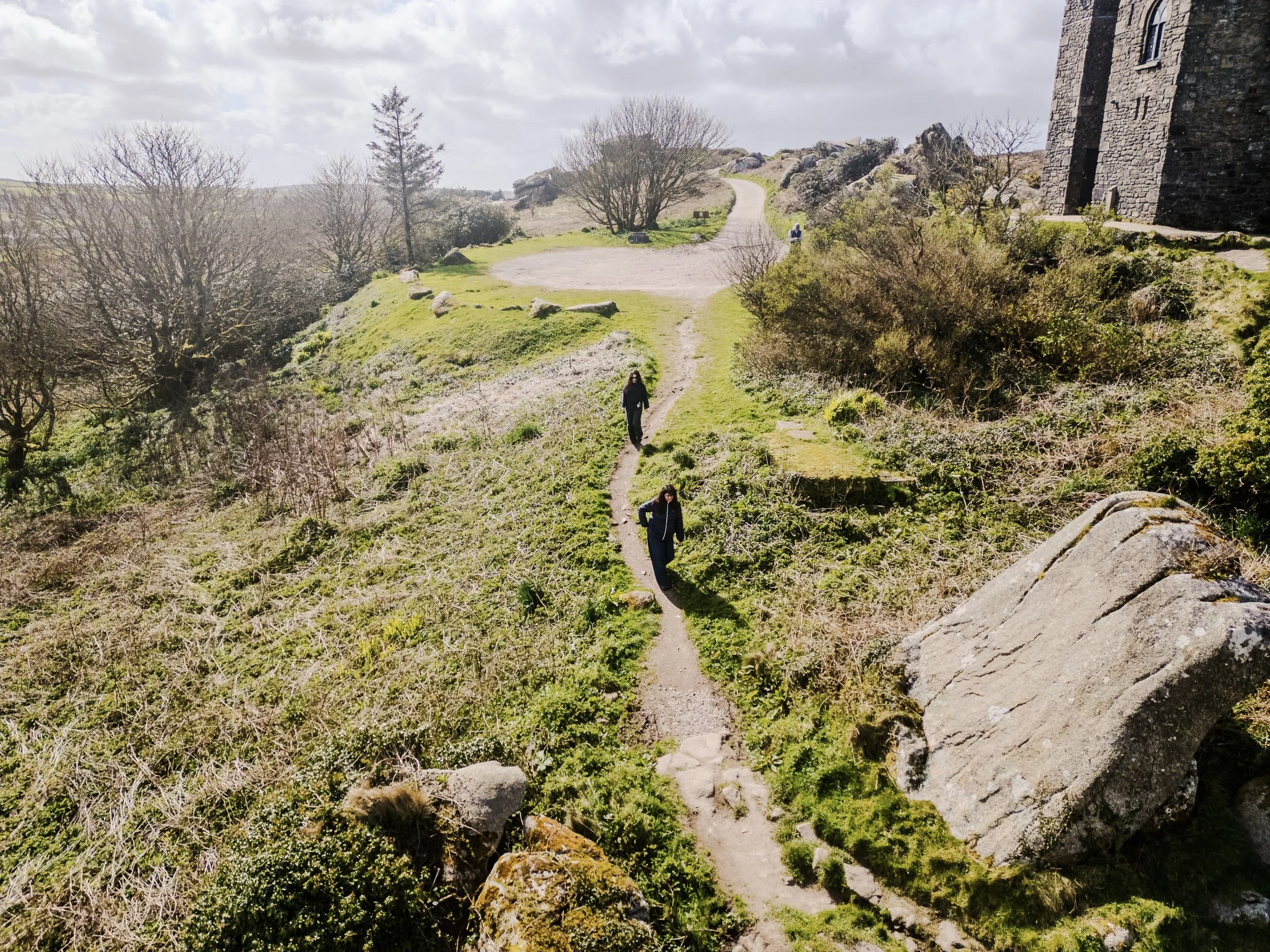
Walking across Carn Brea takes me back in time. The cold makes me flush as the wind runs its fingers through my hair. I am immersed in its mysterious antiquity.
Carefully stepping across the boulders, I breathe deeply, taking in the vista of Redruth and the sea beyond.
Moss grows like wildfire, painting everything in its path a hazy green. The castle seems to melt into the rocks, dwarfing me in its size and wisdom.
Boulders eroded into perfect seats invite me to rest, giving space to take a moment and take in Carn Brea’s unique magic.
A GWR train in the distance is part of the sound litter of modern civilisation, but I feel so far away from the rest of the world up here.
I am an international student navigating a country and region with a history I have only just begun to comprehend, but Carn Brea embeds a new perspective in me. Knowing that this rocky hill with its craggy castle and picturesque landscape was here long before me, and will continue to stand after me, makes me feel at once small and part of something bigger than myself. High above Cornwall, I feel a sense of belonging in my new home away from home.
As I drive back down the hill, the wonky roads rattle gratitude into my bones. The rocky terrain gives Carn Brea an untouchable feel, as if it’s a secret revealed only to those who get close to its pathways and stones.
Each bump provokes giggles out of my friend and me, making me wonder how humans before us may have travelled down this road and laughed together. Over millennia, how many people have taken the time to take in that view, and to feel the fresh Cornish wind against their skin and the soft moss beneath their feet?
By Anna-Sophia Parker
THE VIEW FROM ABOVE - PHOTOGRAPHS: SAM HART