Our ‘cousins’ in the North
Salford may seem far from Redruth in every sense. But BLADE LYDIATE, a native of the northern city now studying in Cornwall, sees many parallels
Redruth and Salford. Although separated by almost 350 miles and in very different parts of the UK, they have more in common than I realised until I visited the Cornish town as part of my studies at Falmouth University.
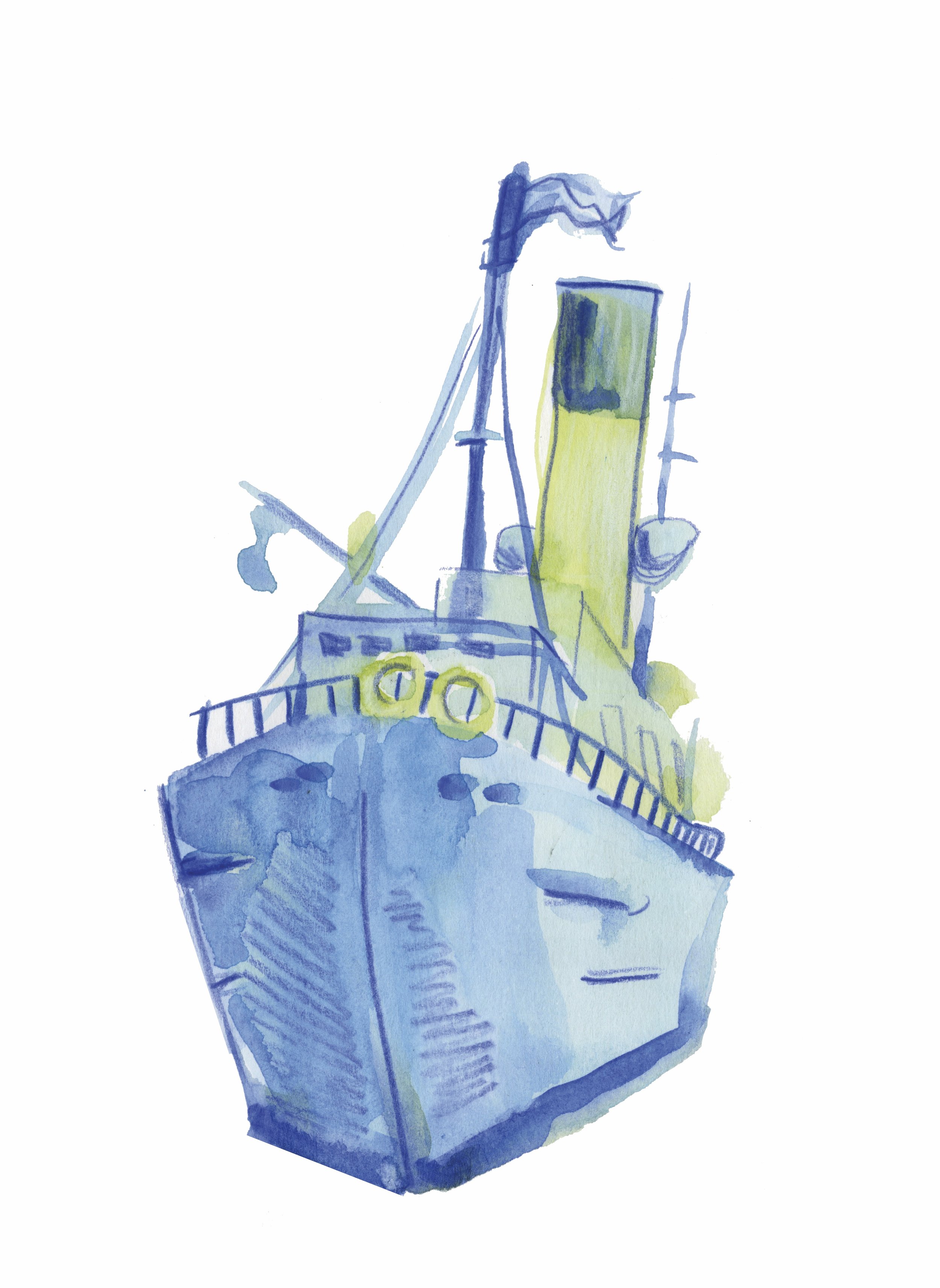
These similarities run from the mid-18th century to the current day. Salford Docks was once a trade and transport powerhouse. There were a total of nine docks with the largest four located on the town side (Salford only became a city in 1926). These docks serviced boats from all around the world, carrying goods vital to the growth not just of Manchester but also large swathes of the industrial North.
The docks’ pre-eminence was ultimately undermined by new forms of international transport: container shipping, which transformed trade by sea, land and air. The docks were unable to accommodate the large new ships. Use of the docks gradually declined, leading to their eventual closure in 1982.
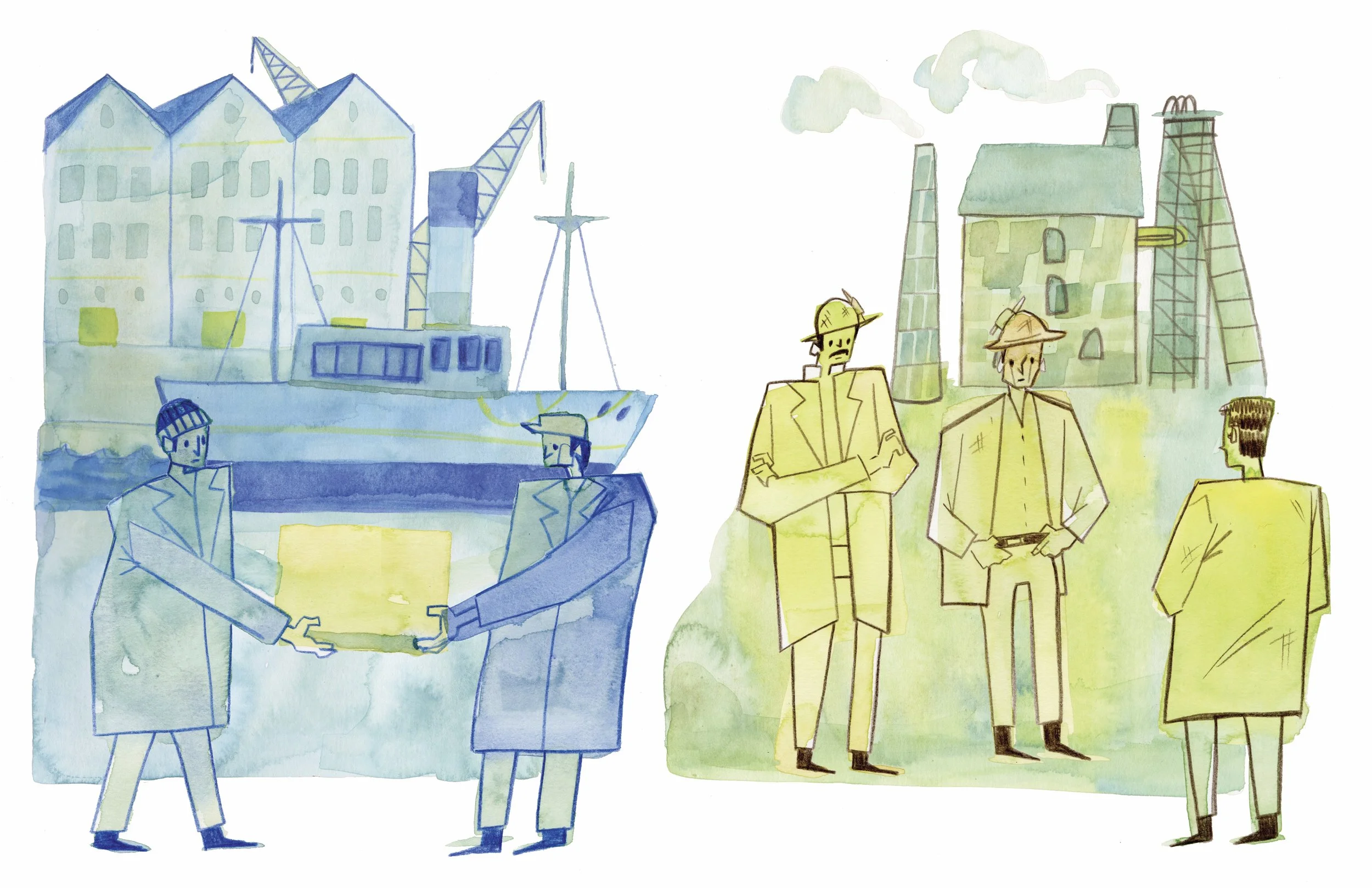
I am sure local readers can sense the parallels. Redruth was also a powerhouse, but of course for copper and tin mining. The town became not only a key regional force but for many years was a global one. Redruth’s success came from the technologies it adopted which allowed it to be substantially more efficient than other mining areas. Perhaps the most important was the development of the steam engine by Richard Trevithick, an innovation used throughout the country and the globe to radically improve transport methods and revolutionise trade.
However, much like Salford Docks, the decline and eventual closure of the mines was due to global economic forces, powered by further technological change. The resulting shifts in world trade enabled the valuable metals which built Redruth to be purchased and shipped far more cheaply from elsewhere. Like the dock workers laid off over generations, Cornish miners left, many migrating abroad to apply their expert skills far away.
In both places, the collapse of industries which had sustained entire communities crippled the local economy. In both places, memories of their economic heyday remain in striking architecture and the collective memories and traditions of proud communities.
There are other parallels today. Both Redruth and Salford have put the creative industries at the heart of their regeneration.
In 1984 Salford City Council realised the importance and cultural value of the forgotten docks. It went on to purchase them and launched a large-scale development plan to rebuild and rebrand the area into what is now known as Salford Quays.
Today it is home to the BBC and many other creative businesses, alongside the University of Salford and schools focusing on the creative arts. The area has shown continuous growth as a result of this investment, in some ways surpassing the docks in terms of importance and fame.
In a very similar development plan, Redruth has, in recent years, begun a major drive to invest in the creative industries and to repurpose the infrastructure of its mining days, including the many unique and striking buildings that were financed by tin and copper. One part of this investment is the Buttermarket, once a key place of trade for all things mining and stocks. This has now been transformed into a social and retail hub. Its independent stores and cafes now play an important role in connecting the community, with new life flowing through it.
Another key location just a short walk away is The Ladder. The former library in Clinton Road, founded in 1895 and built thanks to the generosity and vision of newspaper owner and philanthropist John Passmore Edwards, served the community for 125 years. Two creative entrepreneurs, Felix Mortimer and Josh Nawras, managed to raise the funds to save it for the community.
Life is flowing through there once again too – the vibrant creative hub sits alongside a thriving nursery, Naturally Learning Redruth.
Redruth’s bid to be Town of Culture 2028 perhaps symbolises the self-confidence such changes can bring. Success in the bid would provide a welcome acceleration of these changes. And who knows, perhaps one day Redruth will make a bid to become a city too, just like its cousin in the North?
ILLUSTRATIONS: Lauren Robinson (watercolour, coloured pencil)