
Studies put Cornwall on world history map
Redruth-born Sharron P Schwartz has travelled far and wide in the footsteps of the Cousin Jacks, partly inspired by her ancestors. She talks to MILA CURLIN
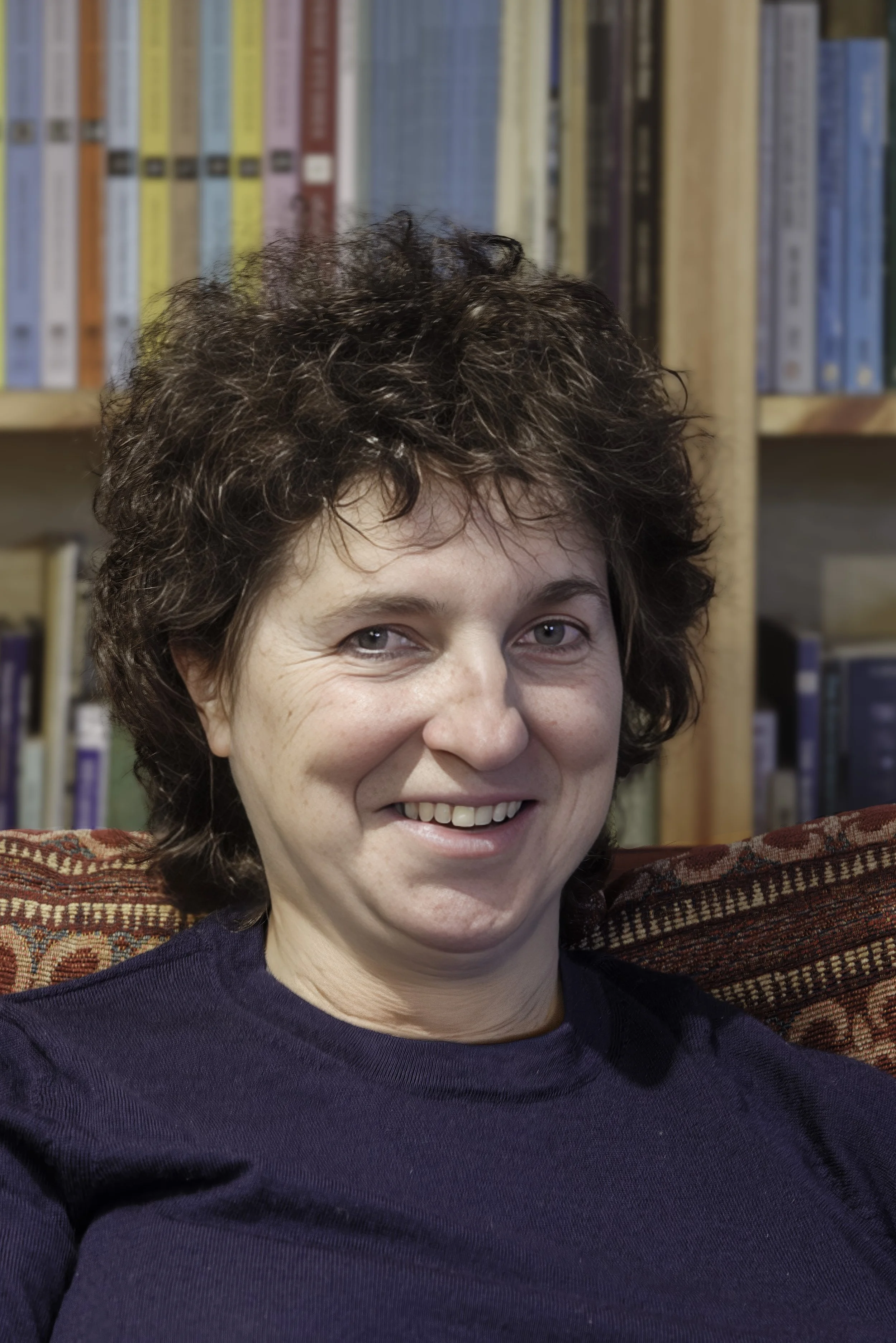
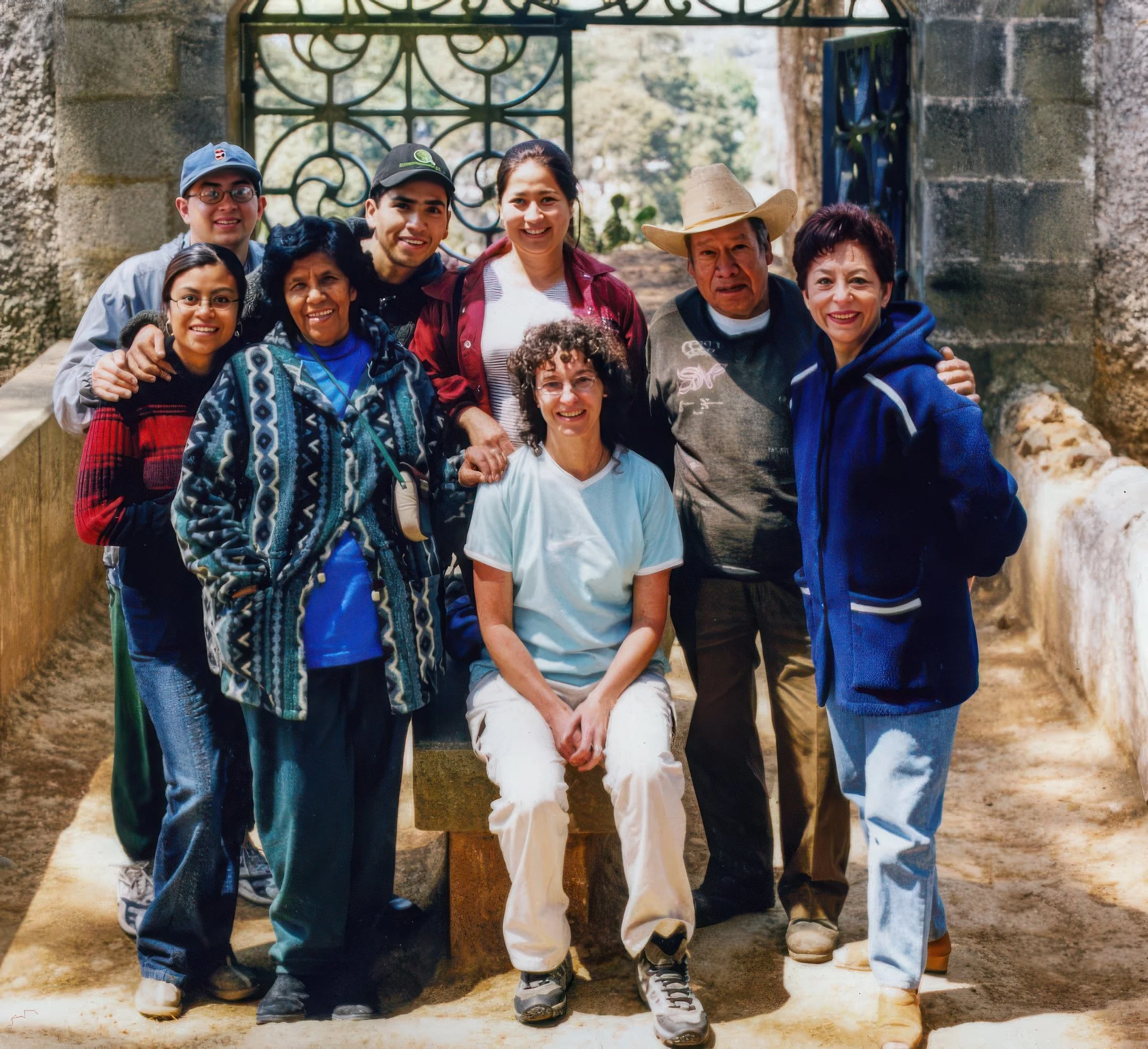
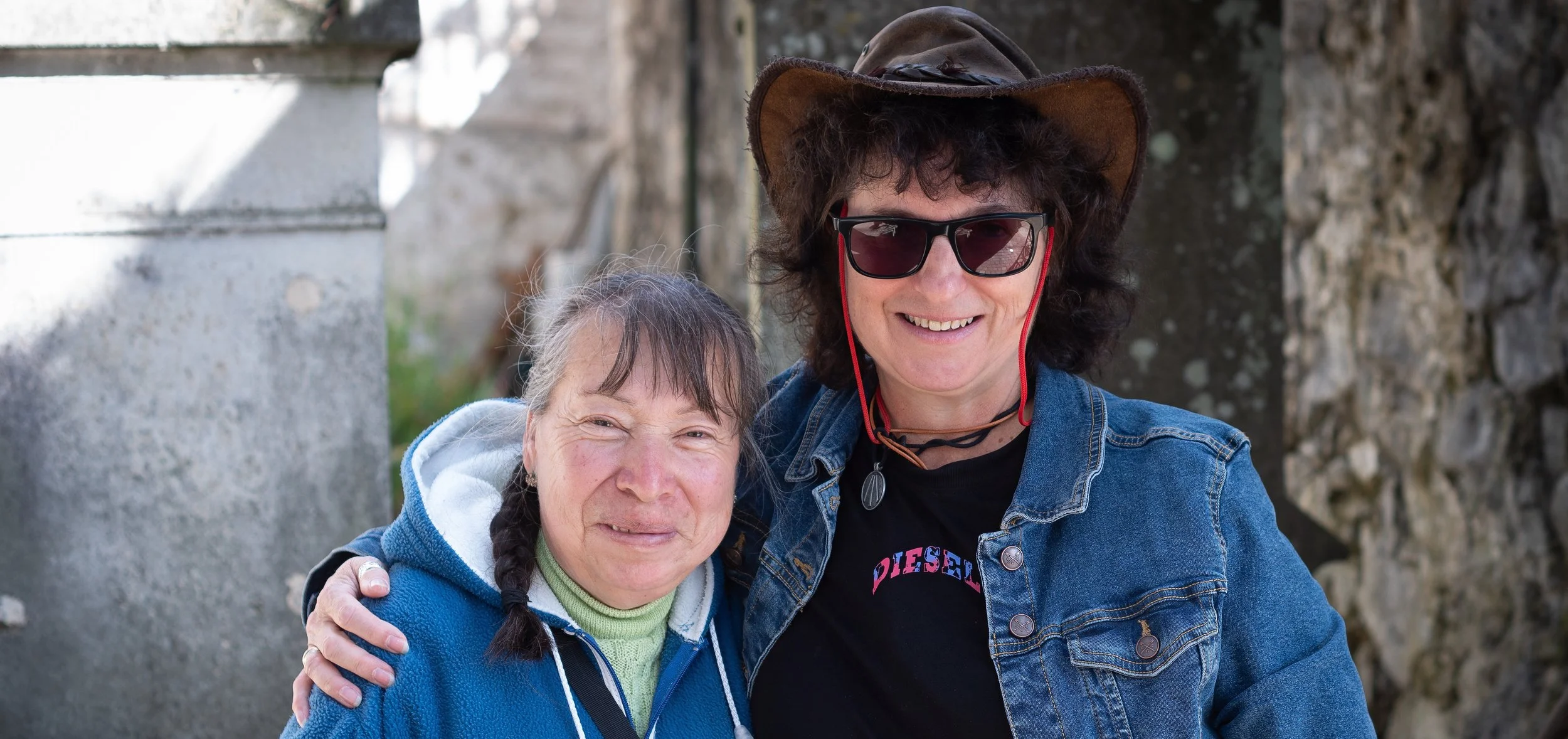
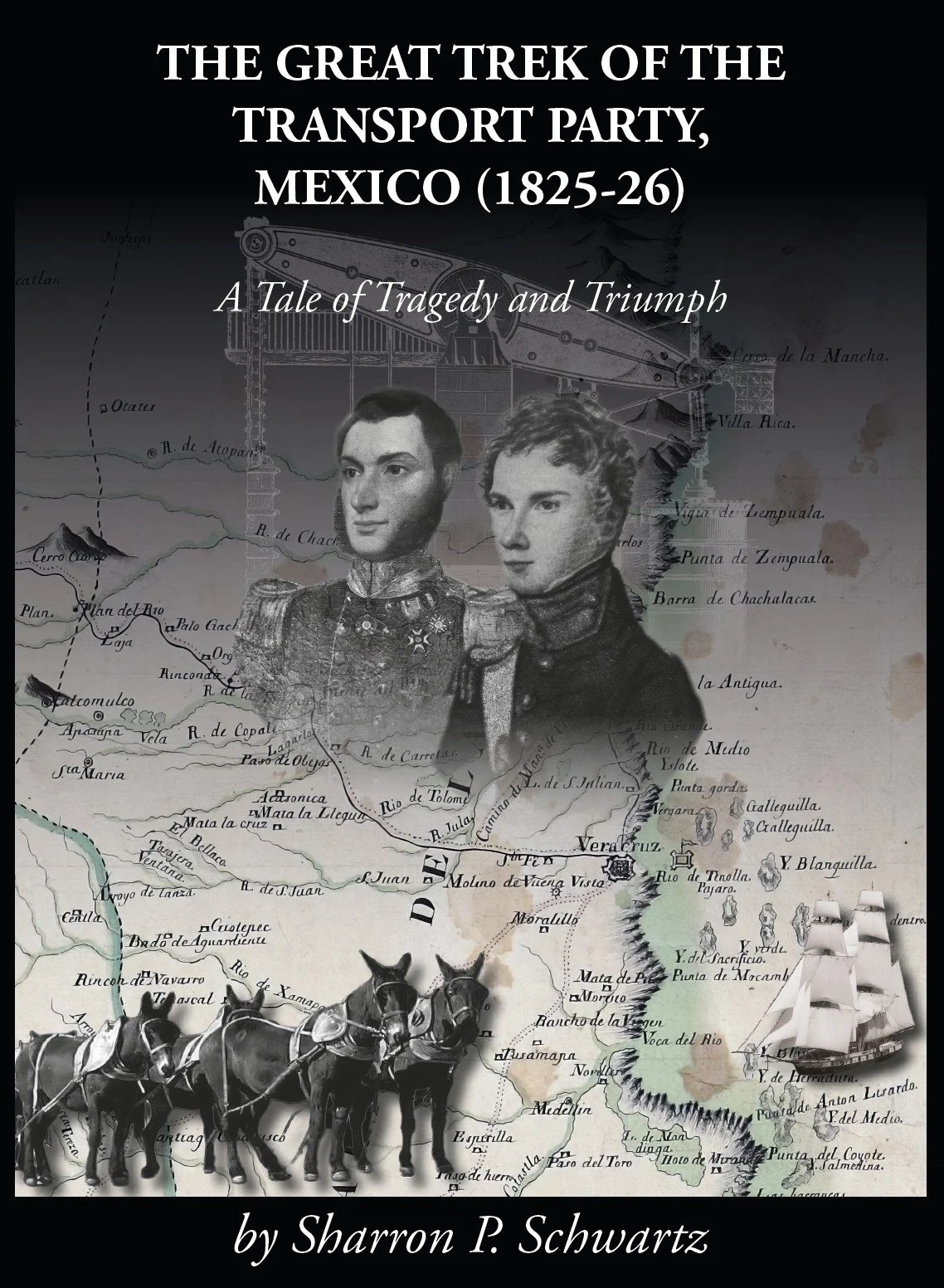
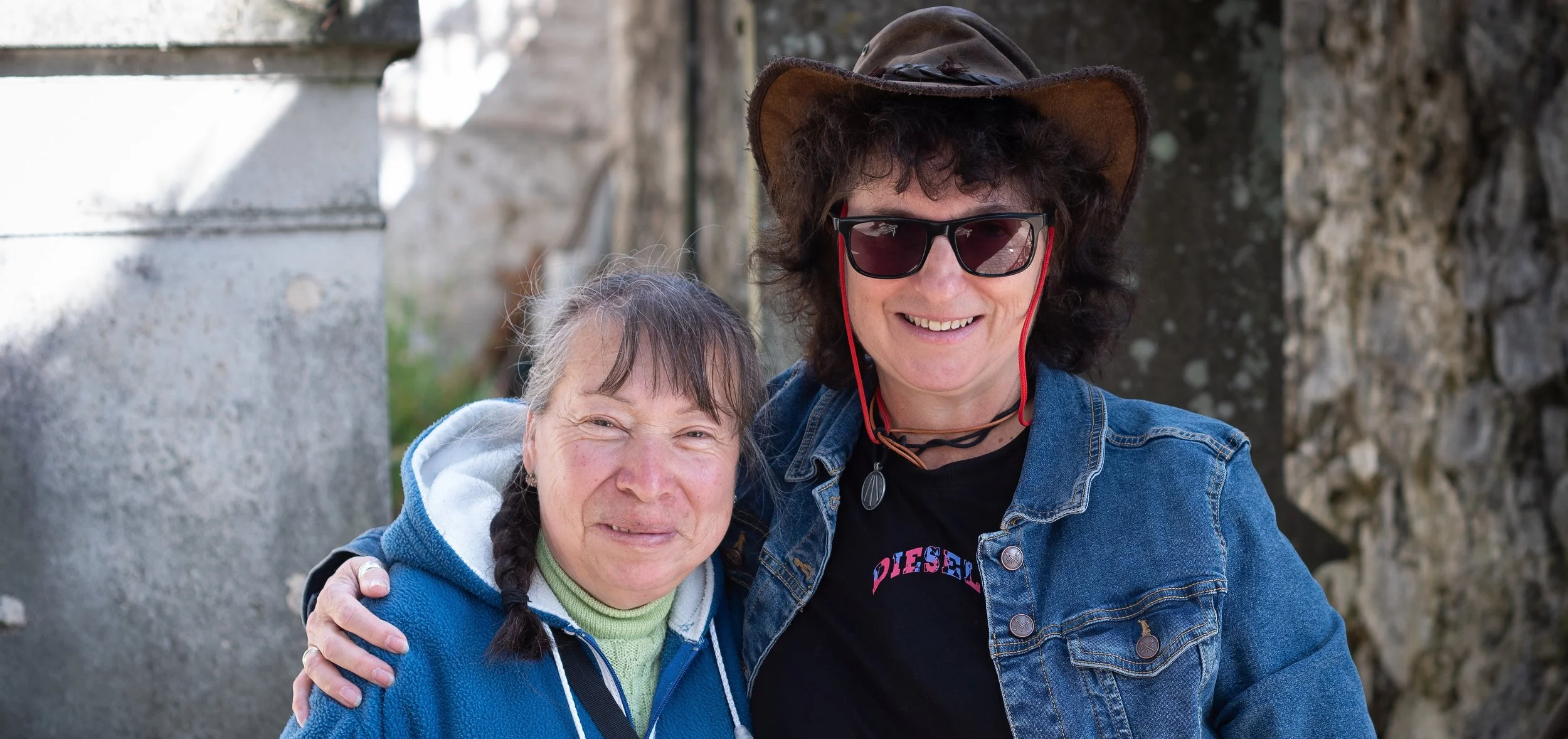
Sharron P Schwartz has authored over 50 books, reports and articles on Cornish mining migration, and founded the website Cousin Jacks World. Her most recent book marks the bicentenary of the dawn of Mexico’s industrial revolution, in which Cornish miners played a key role.
I am a huge admirer of her work and both excited and nervous to meet her as she strides into Redruth’s Kresen Kernow, clearly a familiar face at the archive centre.
Born and raised in Redruth, she tells me how she grew up hearing stories about great-great-uncles who were out in America or South Africa. “I grew up in a family that liked to talk about the past.”
The majority of her family had come from the central mining area in Cornwall, especially from the Lanner area. Years after studying history at London University, she wanted to find out more about her family background, and became involved with a small group in Lanner, who were collecting historical notes.
She eventually discovered that three of her great-great-grandmother’s brothers had emigrated to Latin America. “They went out to Chile to work as mine captains, and one of them moved on to Bolivia, and another brother went to Mexico,” she says.
Schwartz soon realised that there was hardly any information to be found on the Cornish in Latin America and started collecting information from births, marriages and deaths columns by reading the newspaper archives on microfilm. She set up a database while using nominal record linkage techniques to try and form profiles of people. “All these connections started to come out. Families following families, fathers going out, sons following, brothers going out, cousins going out. Amazing.”
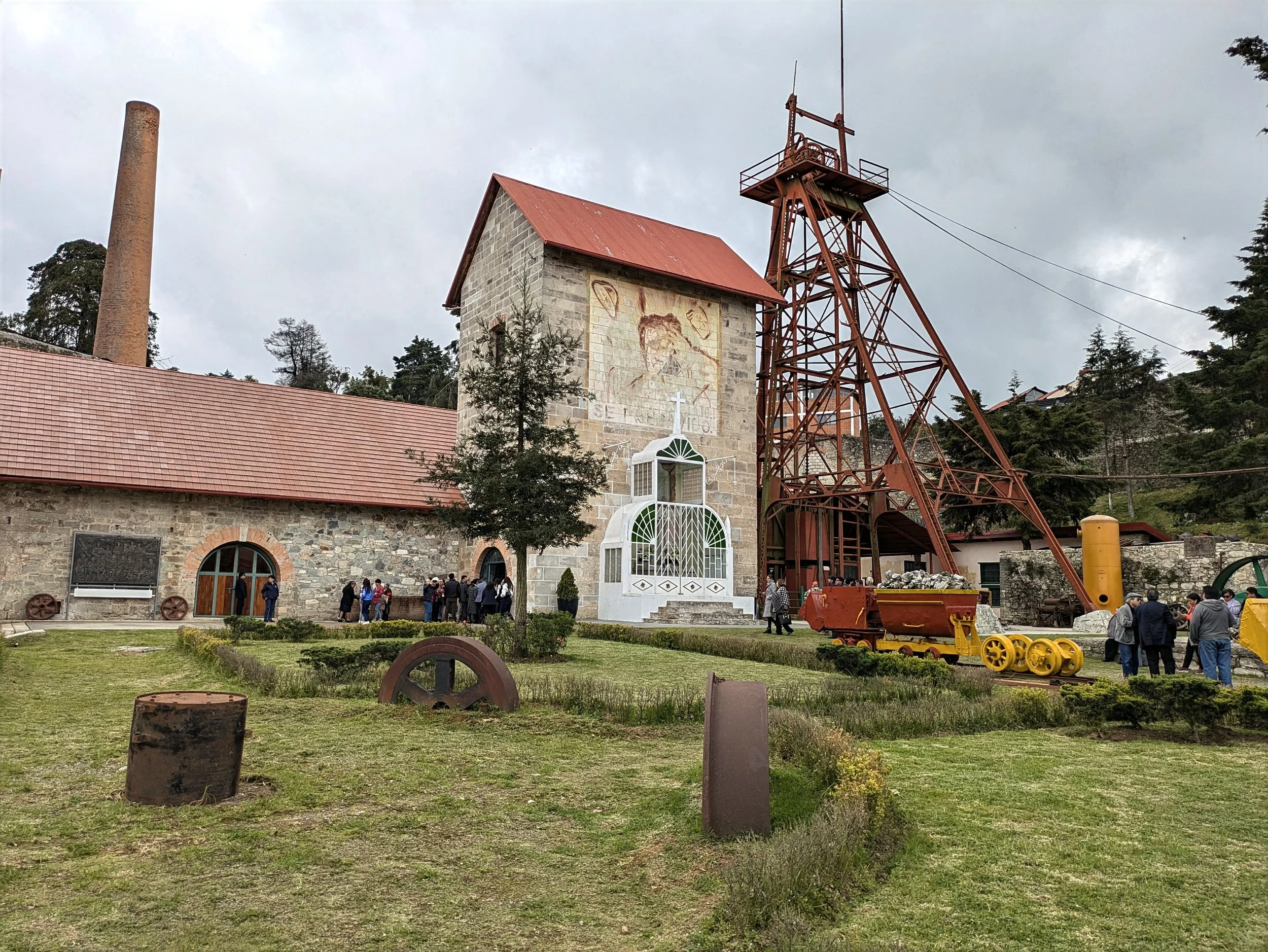
She registered for a PhD at the University of Exeter, writing her thesis on the Cornish in Latin America. Her interest in the Cornish diaspora and transnational communities didn’t stop there. Her latest book, The Great Trek of the Transport Party, Mexico (1825-6): A Tale of Tragedy and Triumph was released at the end of May. It follows the transportation route of mining machinery from Falmouth to Real del Monte in Mexico, drawing from original documents. The Transport Party faced many adversities and many lives were lost, but the installation of the first steam engine in Mexico, along with the earlier arrival of Cornish miners, also meant the start of the country’s industrial revolution.
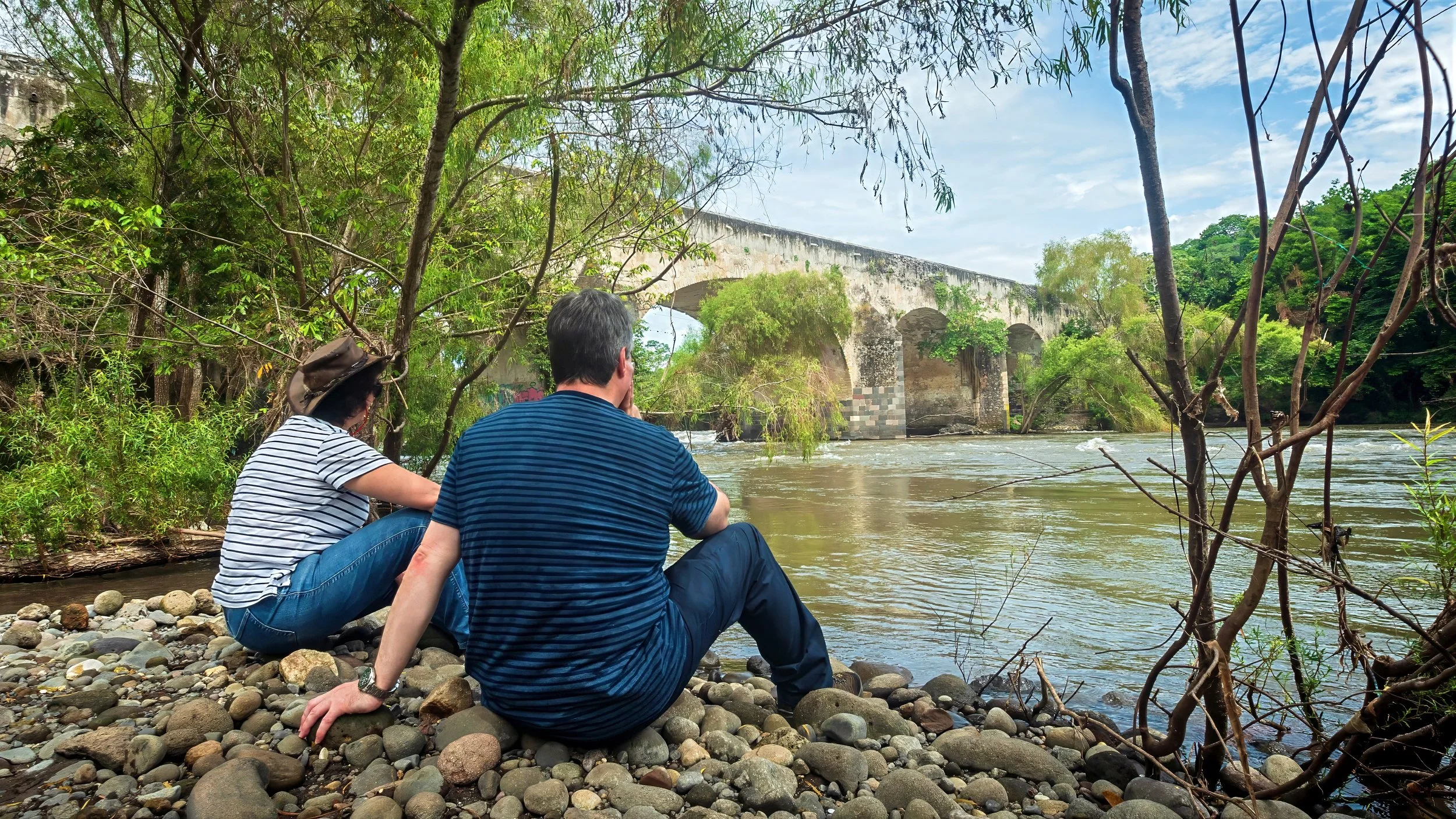
A film with the same title was released last year, and the director’s cut followed this year. “I’ve visited six archives in three countries to extract the information for this film,” she explains. Her eyes light up as she talks of her travels, and how she followed the route the party took: “I walked literally where those men went, pulling 1,500 tons of machinery that came from Falmouth in four wooden sailing ships, and landed on the coast through the surf … It took them over a year to get from the coast to the mountains.”
However, mining technology and knowledge weren’t the only things the Cornish introduced to Mexico. “When people move, they don’t just move physically,” Schwartz says. “They bring all of their culture.” She tells me about the sense of transnationalism among the migrants and their descendants, especially in the 19th century when it became easier for people to travel long distances and stay in touch with those left behind. People were almost living in two places simultaneously, and finding your neighbours in Pachuca after leaving Truro wasn’t a rarity. “You could be playing cricket in Mexico and sending home money to the Truro Cricket Club,” she explains. Some of the Michigan Cornish would chip in if, for example, the local chapel needed a new roof. “Cornwall was intricately locked into a greater Cornwall.”
She remarks that it was a striking period in Cornish history, where people from this small region at the end of Britain managed to dominate the mining industry globally for over a century. Unfortunately, the Cornish are statistically invisible, having always been recorded as English. “I want to disaggregate them from the English,” Schwartz emphasises. “That’s why I do nominal record linkage, to try and tie them back to a parish of origin.”
She says her view of Cornwall has changed since she was a child. Growing up just outside Redruth among derelict mines, the notion of “nothing good across the Tamar” was not unusual. Everything changed for her when the Cornish Mining World Heritage Site was added to the World Heritage List.
“Instead of looking out on derelict wasteland, the wreckage of a failed industry, I was looking at a landscape of outstanding universal value… I felt proud to be Cornish. And I felt proud of what we achieved.”
Today, Schwartz lives with her partner in Donegal, Ireland, and describes herself as a modern Cornish exile, adding that she spends a good part of the year in Cornwall.
“I love being Cornish. I love my hometown, and I love my people, wherever they are.”
PHOTOS ALL SUPPLIED BY SHARRON P SCHWARTZ.
